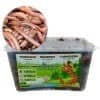
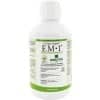
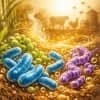
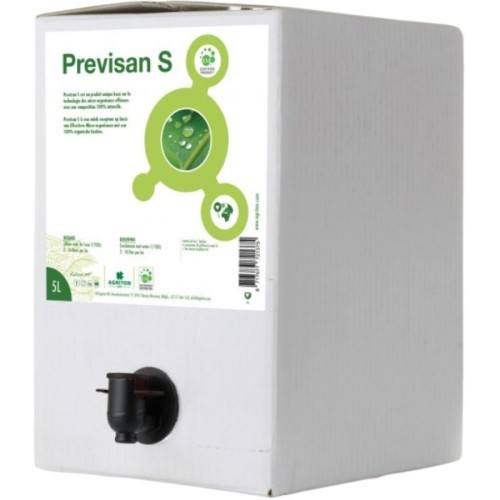
Previsan S is a preparation based on Effective Microorganisms (EM®) combined with a 100% organic binder, specially designed to naturally protect leaves against pathogenic attacks.
Thanks to this plant-based binder, EM® adhere long-lastingly to the waxy layer on leaves, even on plants with greasy or shiny foliage (cabbage, boxwood, laurel, photinia, rhododendron, beech, etc.).
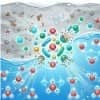
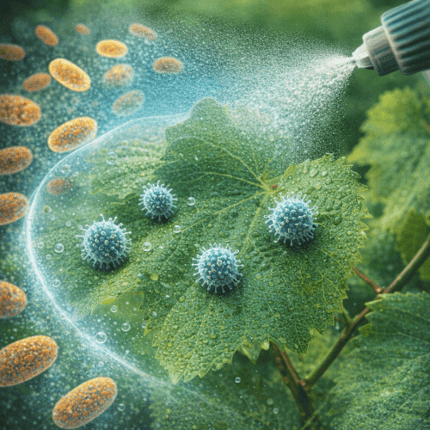
Previsan S creates a protective biofilm that acts as a physical barrier while promoting the beneficial colonisation of leaf surfaces according to the principle of dominance.
Result: a more resilient plant, less sensitive to external aggressions, and longer protection over time.
Benefits
- Formation of a natural protective film on leaves;
- Improved EM® adhesion on waxy surfaces;
- Prolonged microbiological efficacy;
- Limits the development of pathogens;
- Helps prevent sooty mould related to honeydew;
- Ecological and environmentally friendly solution.
Recommended use
March – April
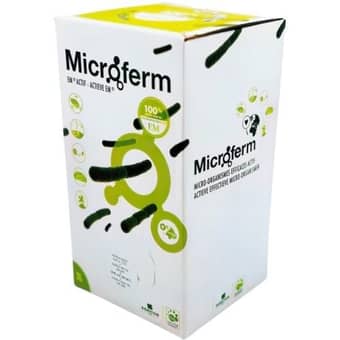
2 to 3 applications of Microferm alone, preferably in humid weather, to optimise soil colonisation.
Estimate: 10 L of Microferm / application / ha.
April – September
8 to 10 applications of a solution composed of:
Apply 100 to 150 L of solution/ha. Prefer dry weather with dew (open stomata).
October – November
3 applications of Microferm:
- At the beginning of leaf fall;
- At 50% leaf fall;
- At the end of leaf fall.
Recommended doses
- 1 L / 100 L water.
- For targeted treatment: 1 L / ha.
- Repeat weekly in case of high pressure.
In case of stress (high humidity, pathogen risk), increase application frequency rather than dose.
Important tips
- Preferably use rainwater or well water (low in chlorine).
- Do not mix with chemical plant protection products to preserve the microbiological efficacy.
- Apply at the first sign of honeydew to prevent sooty mould.
Mode of action
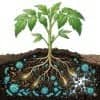
Previsan S encourages long-lasting colonisation of leaves by beneficial microorganisms.
The formed biofilm acts as a physical and biological barrier against pathogens.
In case of honeydew (aphids etc.), the microbiological action helps to reduce the source for the development of fungi responsible for sooty mould.