


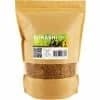
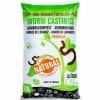
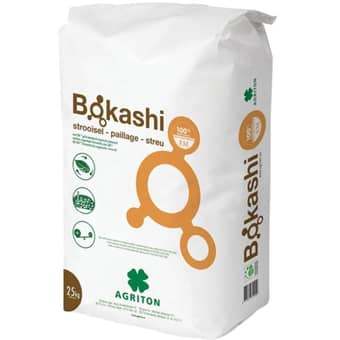
Bokashi EM Mulch for Soil | 25 kg bag
Ready to use, in a 25 kg bag or by the pallet
£20.39 €24.45
Fast and odourless, compost worms eat your waste and turn it into worm casting for your plants.
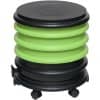
From 2 to 4 trays, with an optional planter.
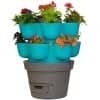
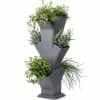
Up to 18 growing areas around a central wormery.
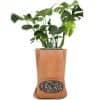
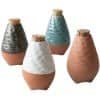
Terracotta with flower pot.
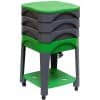
2 to 4 trays with a lower shelf.
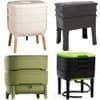
Trays you add over time, for easy harvesting of vermicompost.
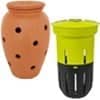
Turn your planters and flower beds into a wormery: WORMacotta, In-Ground.
 Practical guide
From the kitchen to the garden, your compost becomes simple, quick, and effective for everyone.
 Practical guide
 Practical guide
Live animals (worms and bait) and products to feed and care for pets and livestock.
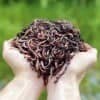
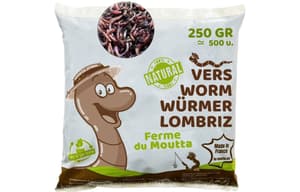
Eisenia compost worms for your wormery or composter.
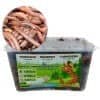
Ultra-fresh worms: compost worms, Dendros and Canadians from 100 g to 1 kg.

Natural solutions dedicated to the wellbeing of horses, ponies and donkeys.
Optimise the health and performance of your farm.
Mealworms, natural and nutritious supplements.
Enhance your home with our decorative items and care for your house in a natural and sustainable way.
Garden in an eco-friendly way that respects nature, for healthy and sustainable plants.
EM-based products designed to enrich soils, protect plants, support animal health, and make everyday well-being and maintenance easier.
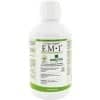
Contains a blend of 80 families of beneficial microorganisms.
Revitalise, purify and improve water quality in all your applications.
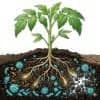
Stimulate soil microbial activity and plant growth.
Cleanse and maintain your environment naturally.

For the wellbeing and health of pets, livestock and horses.

Enrich your body care or dietary routines with essential enzymes.
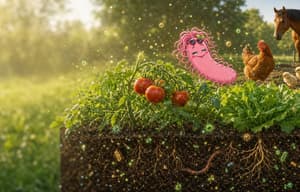 Practical guidePractical guide
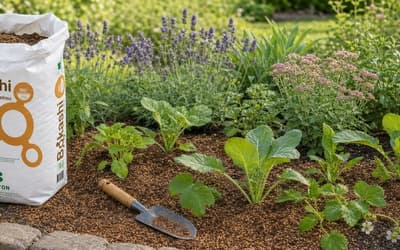
Protects the soil, retains moisture and limits weeds.
Mulching protects the soil while improving its quality. By covering the ground, it limits evaporation, retains moisture, regulates temperature and reduces weed growth. It also enriches the soil by gradually decomposing, adding organic matter and essential nutrients for plants.
Practical and attractive, mulching can be used in the garden, vegetable patch or around shrubs and flowers to encourage healthy growth while reducing maintenance.
 Going further
The word bokashi doesn't just mean the kitchen bucket: Latin American bocashi, farm bokashi under a tarpaulin, fermented grass clippings, soil mulch and pond balls. What each one covers, and what you can expect from it.
 Garden, vegetable patch and lawn
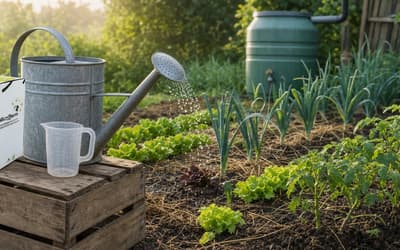
What dilution, how much and when should you use effective microorganisms in the vegetable garden? Guideline doses, a year-round calendar, how to use EM bokashi mulch, and what the trials really show, with a method for testing it yourself.
 Composting in town and going further
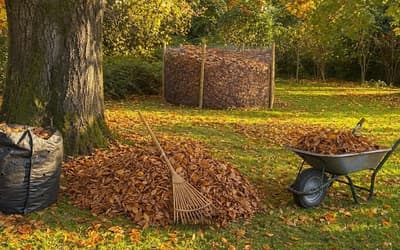
Fallen leaves are not waste: in a bag or a cage, they turn into fine leaf mould in about two years, ideal for sowing and mulching. This guide tells you which leaves to choose, which to shred, how to speed up the process and how to use the result.

 France
 Belgium
 Switzerland
 Germany
 Austria
 Italy
 Spain
 Holland
 Portugal
 Ireland
 Sweden
 Finland
 Denmark
 Greece
 Poland
 Rumania
 Czech Republic
 USA