



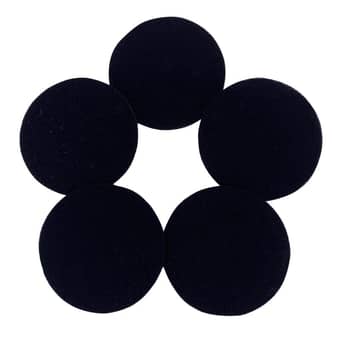
Activated carbon filters for bio-bin
Pack of 5 filters
£5.51 €6.58
Fast and odourless, compost worms eat your waste and turn it into worm casting for your plants.
From 2 to 4 trays, with an optional planter.
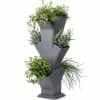
Up to 18 growing areas around a central wormery.
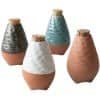
Terracotta with flower pot.
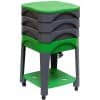
2 to 4 trays with a lower shelf.
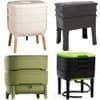
Trays you add over time, for easy harvesting of vermicompost.
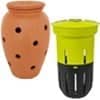
Turn your planters and flower beds into a wormery: WORMacotta, In-Ground.
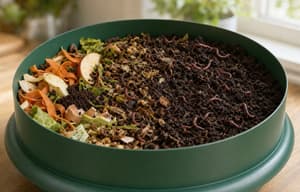 Practical guide
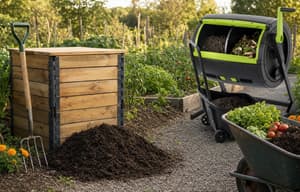
From the kitchen to the garden, your compost becomes simple, quick, and effective for everyone.
 Practical guide
 Practical guide
Live animals (worms and bait) and products to feed and care for pets and livestock.
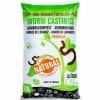
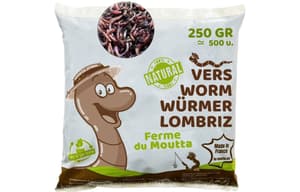
Eisenia compost worms for your wormery or composter.
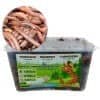
Ultra-fresh worms: compost worms, Dendros and Canadians from 100 g to 1 kg.

Natural solutions dedicated to the wellbeing of horses, ponies and donkeys.

Optimise the health and performance of your farm.
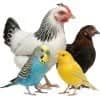
Mealworms, natural and nutritious supplements.
Enhance your home with our decorative items and care for your house in a natural and sustainable way.
Garden in an eco-friendly way that respects nature, for healthy and sustainable plants.
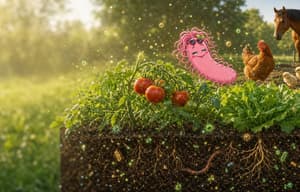
EM-based products designed to enrich soils, protect plants, support animal health, and make everyday well-being and maintenance easier.
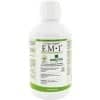
Contains a blend of 80 families of beneficial microorganisms.

Revitalise, purify and improve water quality in all your applications.

Stimulate soil microbial activity and plant growth.

Cleanse and maintain your environment naturally.

For the wellbeing and health of pets, livestock and horses.

Enrich your body care or dietary routines with essential enzymes.
 Practical guidePractical guide
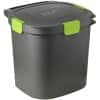
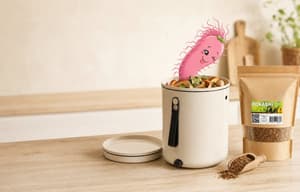
For sorting your kitchen waste before it goes into your wormery or composter.
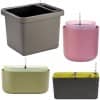
The kitchen bio-bucket or compost caddy is the ideal companion for your wormery or outdoor composter. It helps you easily separate your organic waste from the rest of your household rubbish: fruit and vegetable peelings, coffee grounds, tea bags, eggshells, etc.
When you keep your food scraps in the bio-bucket for several days, they naturally start breaking down. Once they are transferred into the wormery, the worms can digest them straight away, which speeds up the composting process and helps prevent imbalances.
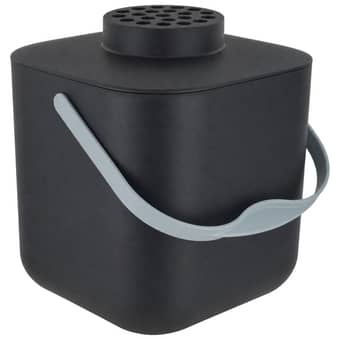
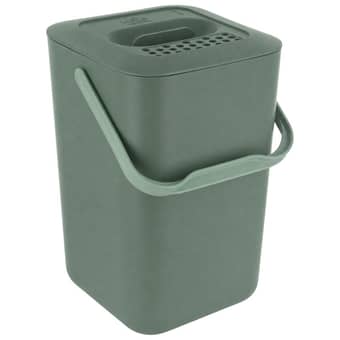
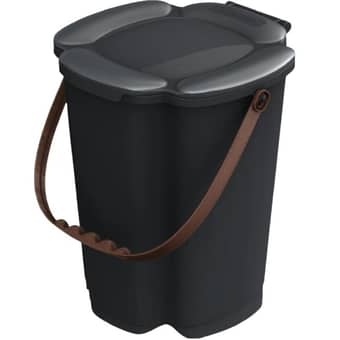
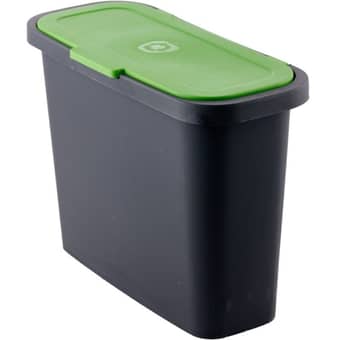
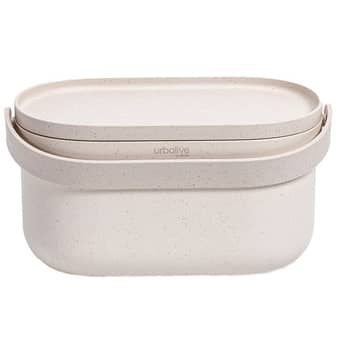

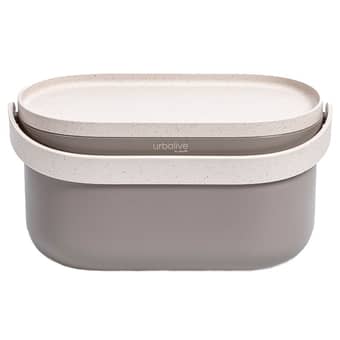

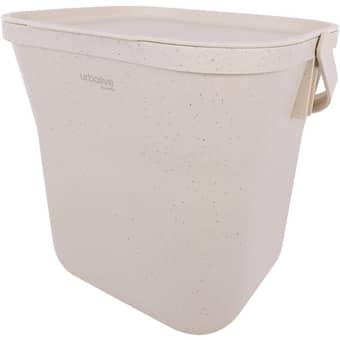

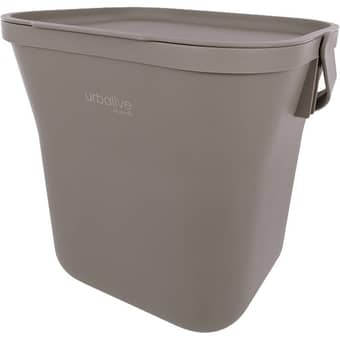

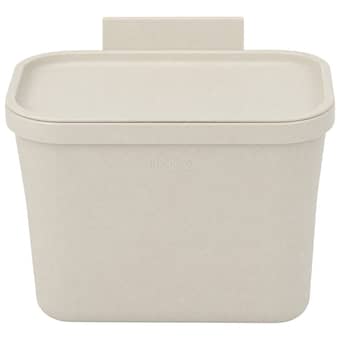

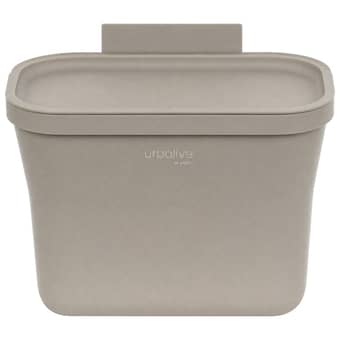

Practical and hygienic, the bio-bucket makes daily sorting easier and saves you constant trips to the composter. It fits seamlessly into your kitchen and lets you recycle your waste in a simple, clean and effective way.
With a bio-bucket, your compost worms receive ideal food and you get the most out of your wormery for faster and more efficient vermicomposting.
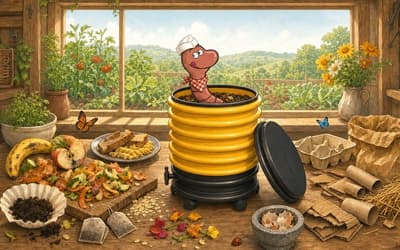 Daily care
Compost worms will accept a wide variety of waste, but not just anything: some foods help their digestion and reproduction, while others can upset the balance of the bin or cause bad smells. This guide explains what worms love, what is best avoided, a few good habits, and the essential role of carbon-rich materials.
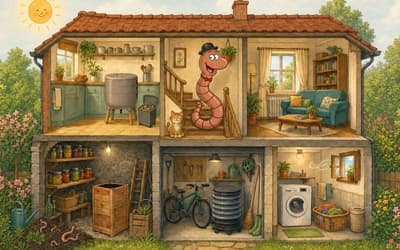 Living with your wormery
Kitchen, cellar, garage, utility room, laundry room, stairwell: your wormery can find a home almost anywhere in your house or flat. This guide looks at each possible spot, with its advantages and a few small precautions, to help you choose the one that best suits your daily routine — and your worms.
 Solving a problem
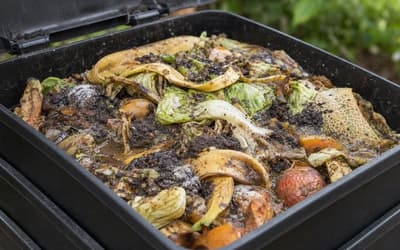
A faint woodland smell is normal, but a strong odour signals an imbalance: too much waste, lack of air, anaerobic decomposition. This guide explains why the smell appears, how to get rid of it in a few days, and why it is best to act quickly for the sake of your worms.

 France
 Belgium
 Switzerland
 Germany
 Austria
 Italy
 Spain
 Holland
 Portugal
 Ireland
 Sweden
 Finland
 Denmark
 Greece
 Poland
 Rumania
 Czech Republic
 USA