



Best Seller
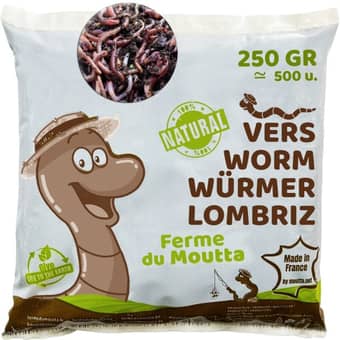
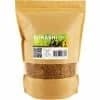
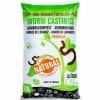
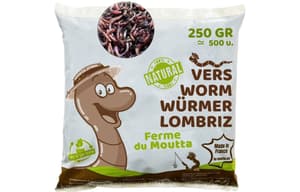
Live compost worms (tiger worms, Eisenia) | 250 g of worms (approx. 500 pcs)
4,8(370)
Packs from 250 g to 10 kg of worms
£11.37 €13.57
-25%
Fast and odourless, compost worms eat your waste and turn it into worm casting for your plants.
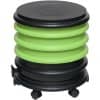
From 2 to 4 trays, with an optional planter.
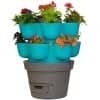
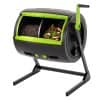
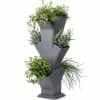
Up to 18 growing areas around a central wormery.
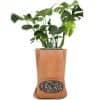
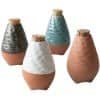
Terracotta with flower pot.
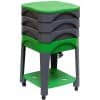
2 to 4 trays with a lower shelf.
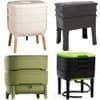
Trays you add over time, for easy harvesting of vermicompost.
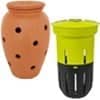
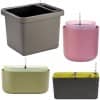
Turn your planters and flower beds into a wormery: WORMacotta, In-Ground.
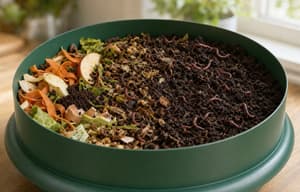 Practical guide
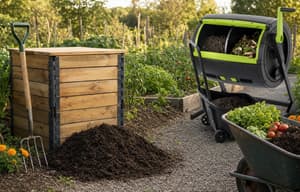
From the kitchen to the garden, your compost becomes simple, quick, and effective for everyone.
 Practical guide
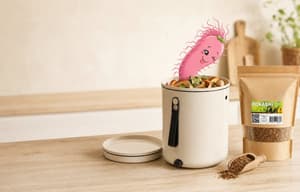 Practical guide
Live animals (worms and bait) and products to feed and care for pets and livestock.
Eisenia compost worms for your wormery or composter.
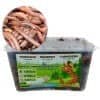
Ultra-fresh worms: compost worms, Dendros and Canadians from 100 g to 1 kg.

Natural solutions dedicated to the wellbeing of horses, ponies and donkeys.

Optimise the health and performance of your farm.
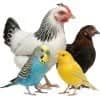
Mealworms, natural and nutritious supplements.
Enhance your home with our decorative items and care for your house in a natural and sustainable way.
Garden in an eco-friendly way that respects nature, for healthy and sustainable plants.
EM-based products designed to enrich soils, protect plants, support animal health, and make everyday well-being and maintenance easier.
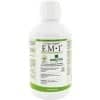
Contains a blend of 80 families of beneficial microorganisms.

Revitalise, purify and improve water quality in all your applications.
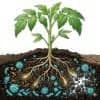
Stimulate soil microbial activity and plant growth.

Cleanse and maintain your environment naturally.

For the wellbeing and health of pets, livestock and horses.

Enrich your body care or dietary routines with essential enzymes.
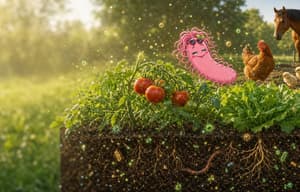 Practical guidePractical guide
Compost worms, garden worms, fishing worms or worms for reptiles, delivered alive.
Discover our full range dedicated to live worms. Whether you want to start a wormery, enrich your garden, feed your reptiles, or equip yourself with the right accessories, you'll find products here that have been carefully selected by Moutta Farm.
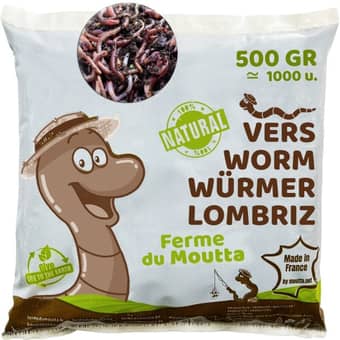
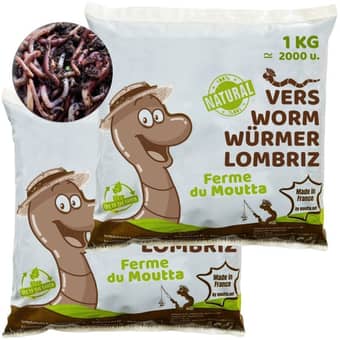
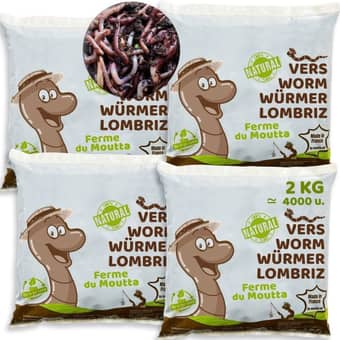
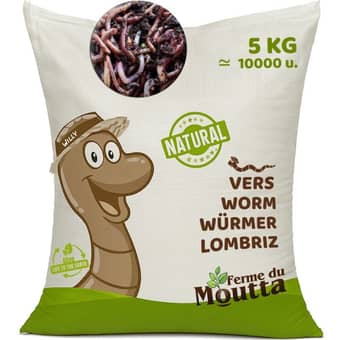
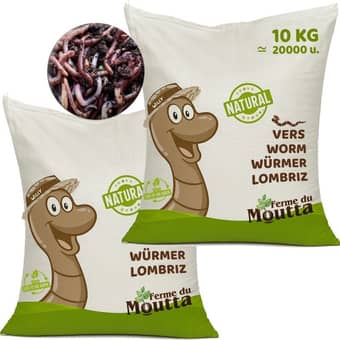
Our worms for wormeries are perfect for transforming your organic waste into a rich, fertile natural soil amendment. Worms for garden & compost help to aerate the soil and boost biological activity in your soil. In the worms for reptiles section, you’ll find worms suitable for feeding amphibians, lizards, snakes or axolotls. Finally, our worm accessories (substrates, specialist feed, storage equipment) help you ensure their well-being and effectiveness in the long run.
With Moutta Farm, you receive worms that are carefully sorted, weighed and packed with high-quality substrate, ensuring optimum vitality, performance and preservation.
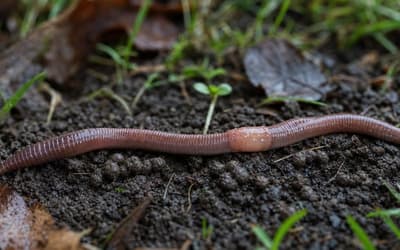
To get to know these little soil workers better, along with their anatomy and main families, read our guide Everything you need to know about the earthworm.
 Going further
Anatomy, main groups, diet, reproduction, lifespan and role in the soil: the essentials about the earthworm, explained simply. Including the difference between the garden earthworm and the compost worm.
 Getting started
Not all earthworms are suitable for a wormery: only certain species of compost worms, from the Eisenia family, survive and thrive in one. This guide introduces the three recognised species (Eisenia Andreï, Hortensis and Foetida), their differences, why they live happily together, and why you should never use worms collected from the garden.
 Going further
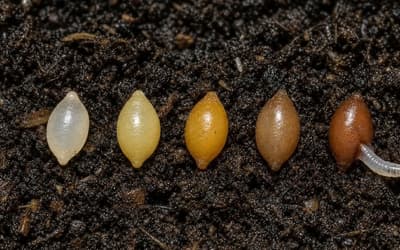
Earthworms are hermaphrodites but cannot self-fertilise, so they mate to produce cocoons, from which a few young worms hatch after several weeks. This guide explains the reproductive cycle step by step, how long it takes a young worm to start breeding in turn, how quickly your population grows, and why it never gets out of control.

 France
 Belgium
 Switzerland
 Germany
 Austria
 Italy
 Spain
 Holland
 Portugal
 Ireland
 Sweden
 Finland
 Denmark
 Greece
 Poland
 Rumania
 Czech Republic
 USA