



Best Seller
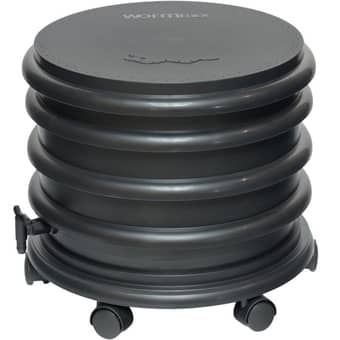
WORMbox Wormery | 2 trays
4,7(154)
From 2 to 4 trays with optional planter, 13 litres of usable capacity per tray
£47.96 €57.50


- +10
Fast and odourless, compost worms eat your waste and turn it into worm casting for your plants.
From 2 to 4 trays, with an optional planter.
Up to 18 growing areas around a central wormery.
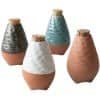
Terracotta with flower pot.
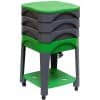
2 to 4 trays with a lower shelf.
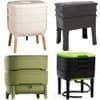
Trays you add over time, for easy harvesting of vermicompost.
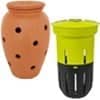
Turn your planters and flower beds into a wormery: WORMacotta, In-Ground.
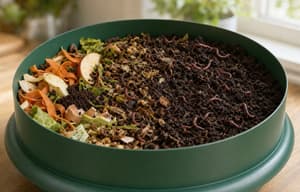 Practical guide
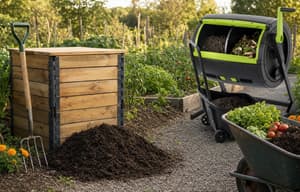
From the kitchen to the garden, your compost becomes simple, quick, and effective for everyone.
 Practical guide
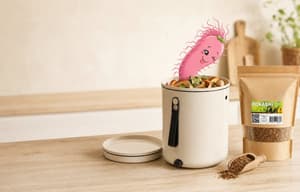 Practical guide
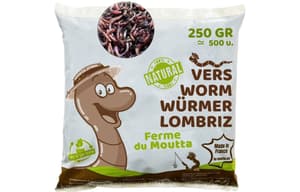
Live animals (worms and bait) and products to feed and care for pets and livestock.
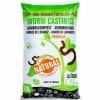
Eisenia compost worms for your wormery or composter.
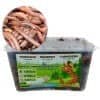
Ultra-fresh worms: compost worms, Dendros and Canadians from 100 g to 1 kg.

Natural solutions dedicated to the wellbeing of horses, ponies and donkeys.

Optimise the health and performance of your farm.
Mealworms, natural and nutritious supplements.
Enhance your home with our decorative items and care for your house in a natural and sustainable way.
Garden in an eco-friendly way that respects nature, for healthy and sustainable plants.
EM-based products designed to enrich soils, protect plants, support animal health, and make everyday well-being and maintenance easier.
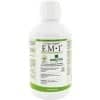
Contains a blend of 80 families of beneficial microorganisms.

Revitalise, purify and improve water quality in all your applications.

Stimulate soil microbial activity and plant growth.

Cleanse and maintain your environment naturally.

For the wellbeing and health of pets, livestock and horses.

Enrich your body care or dietary routines with essential enzymes.
 Practical guidePractical guide
The wormery with planter combines vermicomposting, convenience and style for both indoors and outdoors. It transforms your organic waste into a natural fertiliser while growing a plant that brightens up your space. Compost worms turn kitchen waste into vermicompost and nutrient-rich liquid, both ready to use for your plants, providing continuous and eco-friendly fertilisation.
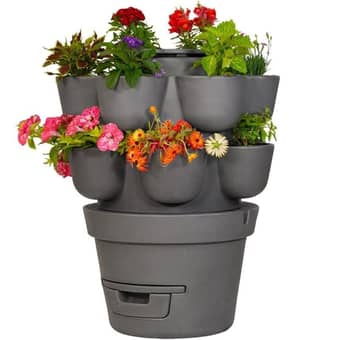


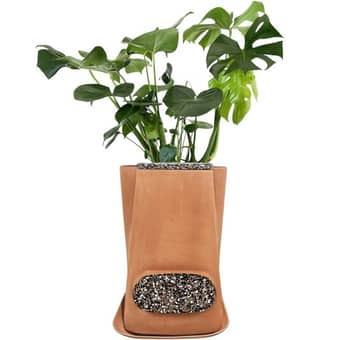


Some planters are designed on the Keyhole Garden principle, a garden shaped like a "keyhole" that maximises efficient use of space and nutrient distribution. With this design, organic waste is placed in the centre and slowly spreads out to the surrounding plants, ensuring rich, fertile soil throughout. The system also retains moisture, reducing watering needs and promoting more sustainable gardening.
Practical, compact, and attractive, the wormery with planter fits perfectly in your kitchen, on your balcony, or in your garden. It’s a comprehensive solution to reduce your waste, nourish your plants, and enjoy productive, eco-friendly, and innovative gardening, even in small spaces.
 Choosing your model
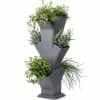
Several of our models combine a wormery and a planter: the WORMbox planter that replaces the lid, the WORMgarden designed as a vertical vegetable garden, the Transfarmers (a 2-in-1 flower pot), or the WORMacotta and the In-Ground, to be buried directly in an existing planter.
 Choosing your model
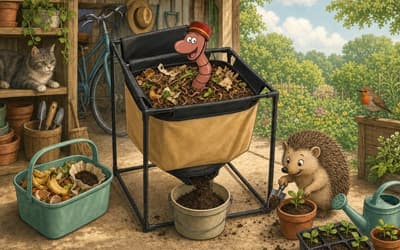
The continuous-flow wormery works on a different principle from stacking-tray models: a single large bin, where waste is added at the top and mature compost is harvested from the bottom, without ever handling the worms. This guide explains how it works, its advantages, the points to watch, and how to choose between this system and the tray model.
 Choosing your model
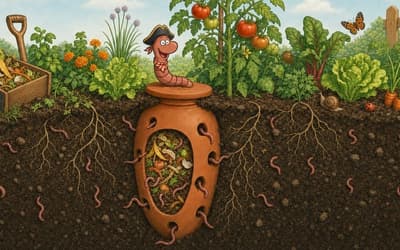
An in-ground wormery works differently from tray or continuous-flow models: set directly into the ground, it lets the worms feed the surrounding soil with no harvesting required. This guide explains how it works, how to install it properly, and which kinds of garden or planter it suits.

 France
 Belgium
 Switzerland
 Germany
 Austria
 Italy
 Spain
 Holland
 Portugal
 Ireland
 Sweden
 Finland
 Denmark
 Greece
 Poland
 Rumania
 Czech Republic
 USA