












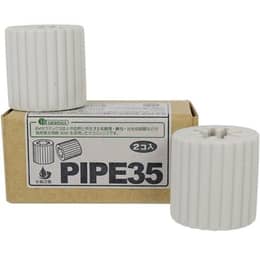
Maxi 35 mm EM ceramic tube - 2 tubes
Treats and purifies water efficiently on a large scale
£29.82 €35.75
Fast and odourless, compost worms eat your waste and turn it into worm casting for your plants.

From 2 to 4 trays, with an optional planter.

Up to 18 growing areas around a central wormery.

Terracotta with flower pot.

2 to 4 trays with a lower shelf.

Trays you add over time, for easy harvesting of vermicompost.

Turn your planters and flower beds into a wormery: WORMacotta, In-Ground.
 Practical guide

From the kitchen to the garden, your compost becomes simple, quick, and effective for everyone.
 Practical guide
 Practical guide
Live animals (worms and bait) and products to feed and care for pets and livestock.

Eisenia compost worms for your wormery or composter.

Ultra-fresh worms: compost worms, Dendros and Canadians from 100 g to 1 kg.

Natural solutions dedicated to the wellbeing of horses, ponies and donkeys.

Optimise the health and performance of your farm.

Mealworms, natural and nutritious supplements.
Enhance your home with our decorative items and care for your house in a natural and sustainable way.
Garden in an eco-friendly way that respects nature, for healthy and sustainable plants.
EM-based products designed to enrich soils, protect plants, support animal health, and make everyday well-being and maintenance easier.

Contains a blend of 80 families of beneficial microorganisms.

Revitalise, purify and improve water quality in all your applications.

Stimulate soil microbial activity and plant growth.

Cleanse and maintain your environment naturally.

For the wellbeing and health of pets, livestock and horses.

Enrich your body care or dietary routines with essential enzymes.
 Practical guidePractical guide

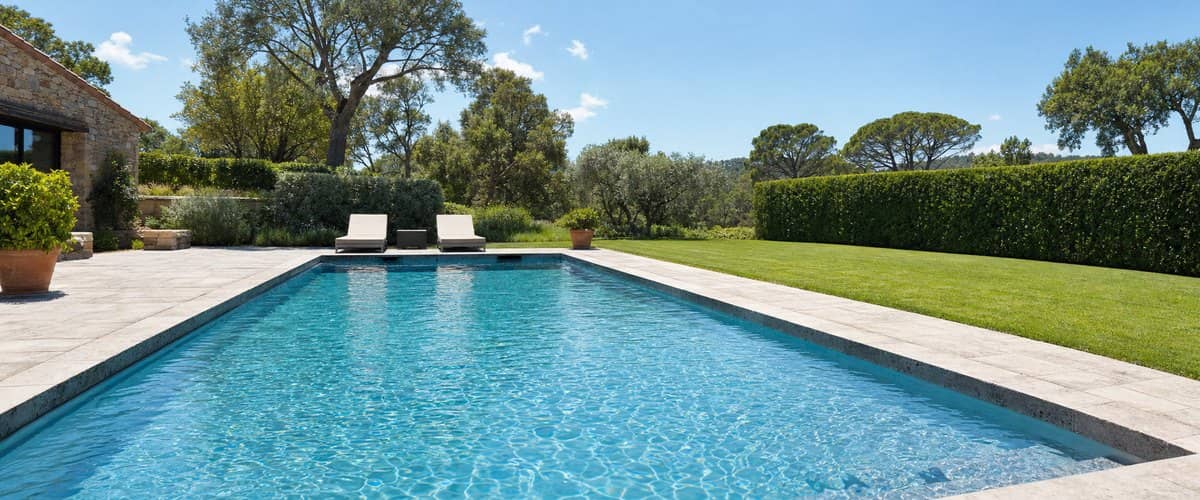
« A chlorine-free pool thanks to microorganisms »: this promise often crops up in brochures about EM. It is appealing, because nobody likes the smell of chlorine or stinging eyes. But a swimming pool is not a garden pond, and water you swim in, head under the surface, must stay safe.
We sell EM products and ceramics that some people use around their pool. So we owe you a clear answer: what manufacturers suggest, what studies say, what the law says, and what you can reasonably do.
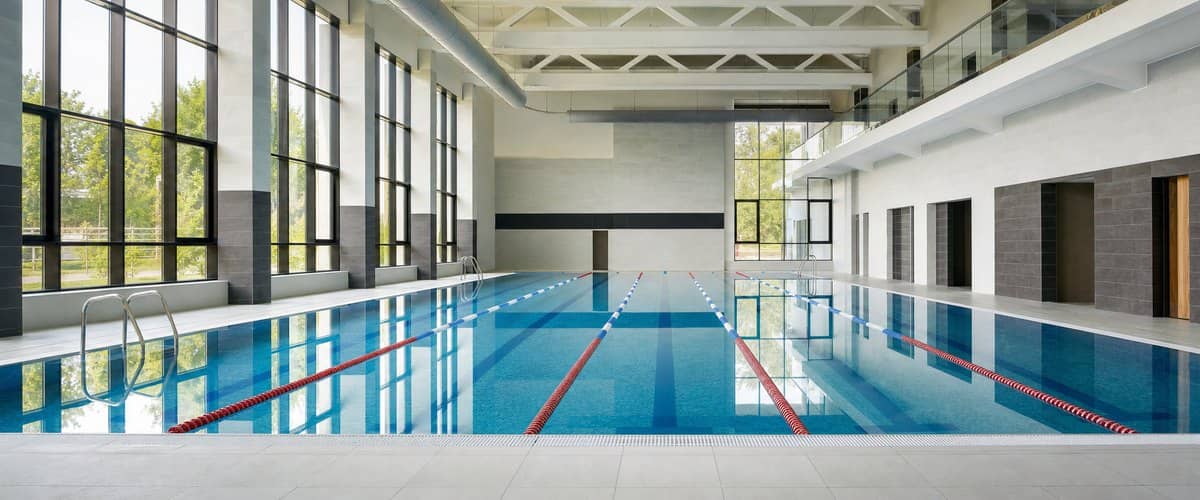
Every swimmer brings microorganisms into the water: from the skin, mouth and nose, and sometimes traces of faecal matter. Warm, well-lit water rich in organic matter suits them very well. Some germs commonly found in poorly maintained pools cause ear infections, skin infections or digestive upsets. That is why pool water must not only be filtered but also remain disinfecting: it must be able to continuously neutralise whatever swimmers bring in.
Pools open to the public are subject to health and safety rules in most countries: their water must be filtered and disinfected, and it is checked regularly. A pool used only by a family generally falls outside these rules, but not outside the risks: it is up to you to manage them, especially if children swim in it. Check the regulations that apply in your country.
Key pointsEffective microorganisms are not disinfectants. They do not replace chlorine, bromine, salt electrolysis or any other disinfecting treatment for swimming water.
In its literature, the EM manufacturer describes a pool treatment combining two elements:
According to the manufacturer, this treatment would reduce organic matter, algae and germs, and allow chlorine use to be cut sharply. We report these claims because they are in circulation, but we do not endorse them.
We looked for independent trials measuring the hygienic quality of pool water treated with EM: we found none. No published data shows that an EM product keeps swimming water free of dangerous germs.
In fact, the reasoning points rather the other way:
Finally, the law settles part of the question. In the European Union, and likewise in the United Kingdom, a product presented as able to destroy or control germs or algae in pool water is a biocidal product. It must contain approved active substances and be authorised. No EM product has this status. To find out more, read our guide EM and regulations.
Did you know?The stinging "chlorine" smell does not come from too much chlorine, but from chloramines, which form when chlorine reacts with sweat, urine and other matter brought in by swimmers. Showering before swimming and regularly renewing the water help limit their formation.
What applies to pools applies even more to a spa or hot tub. The water is warm, small in volume and shared by several people. Some bacteria multiply quickly there, and the bubbles throw up fine droplets that people breathe in. A spa must always be disinfected according to its manufacturer's instructions, with frequent checks. EM and ceramics replace nothing there.
You can use EM around the pool, provided you keep your usual treatment and never reduce it on the strength of a promise.
 Around the pool: EM Clean multi-purpose cleaner, diluted as directed, is suitable for cleaning the pool surround, coping stones, plant room or the cover once removed. Our usage tips are in the guide Natural cleaning with EM Clean.
 In the water: if you are determined to try EM Clean in the pool, never do so during a shock treatment, and then check that your disinfectant level stays within the range recommended by the manufacturer of your treatment.
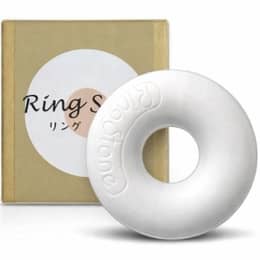
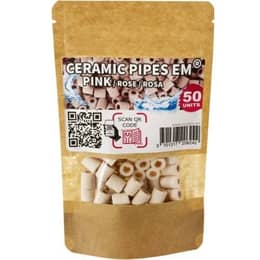
 Ceramics: beads such as our pink EM ceramic beads are offered for natural ponds and swimming pools. They are fired ceramic objects with no living microorganisms. They do not disinfect water: see our guide on EM ceramics for what to make of them.
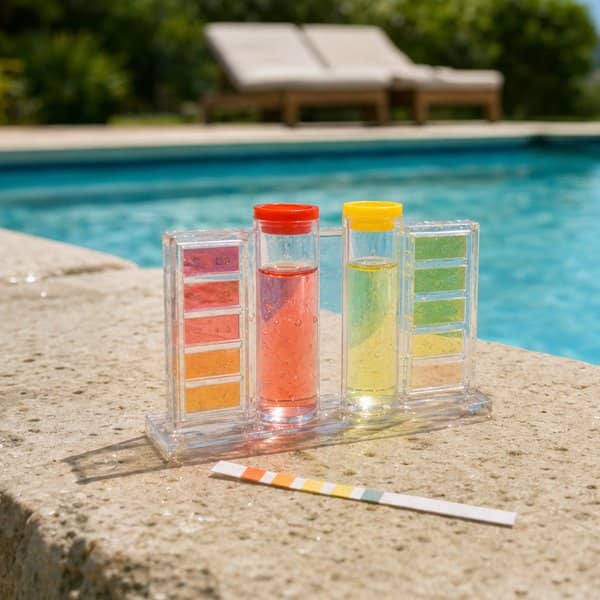
Emy's tipTest your pool water at least once a week during the season, and after every period of heavy use or every storm, with test strips or a testing kit. Note the pH and disinfectant level: it is the only way to know whether your water is really safe.
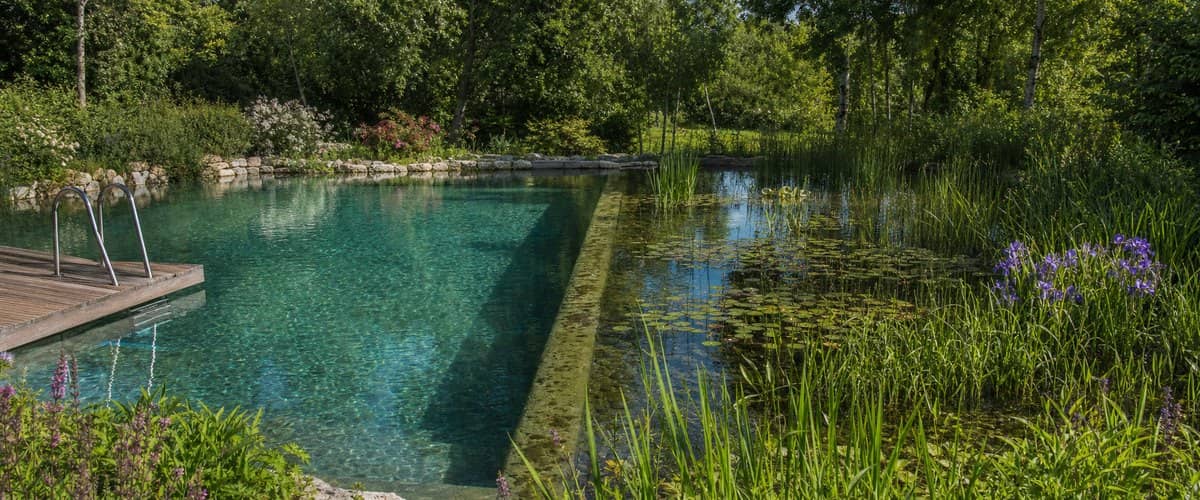
If you dream of water free of disinfectant, there is a genuine solution: the natural swimming pool, also called a swimming pond or biological pool. It works on a different principle. The water circulates through a planted regeneration zone and biological filters, where plants and naturally present microorganisms consume the nutrients. There is no disinfecting treatment, and you accept living water, never sterile, with a little algae and small wildlife.
This type of pool has to be designed from the outset, with a large planted area and precise sizing. You cannot turn a conventional pool into a natural swimming pool by pouring EM into it. When open to the public, these pools are also subject to specific health rules. For a private natural pool, call on a professional who specialises in this type of installation.
Pool water must remain disinfecting, because swimmers constantly bring germs into it. EM are not disinfectants, no independent study shows that they make swimming water safe, and chlorine destroys them. Use them instead to clean around the pool, keep your usual treatment and test the water every week. Ceramics replace nothing either. If you really want to do without disinfectant, turn to a natural swimming pool designed for the purpose.
Scan the code or visit mouttafarm.co.uk/guide: all our practical guides, with links to the products mentioned.



 France
 Belgium
 Switzerland
 Germany
 Austria
 Italy
 Spain
 Holland
 Portugal
 Ireland
 Sweden
 Finland
 Denmark
 Greece
 Poland
 Rumania
 Czech Republic
 USA
