Wormery WORMacotta | 1.1L Jar
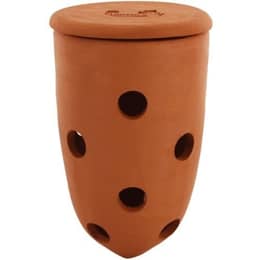
Terracotta composter, from 1.1 to 6.5 litres
24,92 €
Fast and odourless, compost worms eat your waste and turn it into worm casting for your plants.

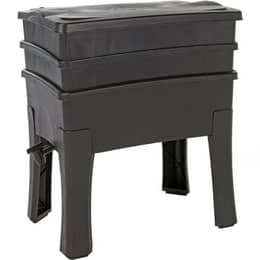
From 2 to 4 trays with optional planter.

Up to 18 growing zones with central wormery.

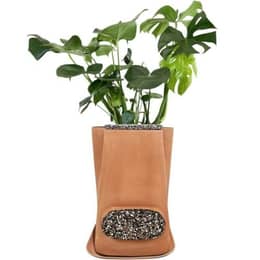
Terracotta with flower pot.

From 2 to 4 shelves with a low shelf.

Urbalive, Worm Cafe, WORMcube, Tiny Worm, WORMwood, ...

Turn your planters into a Wormery: WORMacotta, In-Ground.
From the kitchen to the garden, your compost becomes simple, quick, and effective for everyone.
Live animals (worms and bait) and products to feed and care for pets and livestock.

Compost worms Eisenia for your wormery or worm compost bin.

Ultra-fresh worms: Bedding, Dendros and Canadians from 100 g to 1 kg.

Natural solutions dedicated to the well-being of horses, ponies, and donkeys.

Optimise the health and performance of your farm.

Mealworms, natural and nutritious supplements.
Enhance your home with our decorative items and care for your house in a natural and sustainable way.
Grow your garden in an eco-friendly and nature-friendly way, for healthy and sustainable plants.
EM-based products designed to enrich soils, protect plants, support animal health, and make everyday well-being and maintenance easier.

Contains a blend of 80 families of beneficial microorganisms.

Revitalise, purify and improve water quality in all your applications.

Stimulate soil microbial activity and plant growth.

Cleanse and maintain your environment naturally.

For the well-being and health of pets, livestock, and horses.

Enrich your body or dietary routines with essential enzymes.
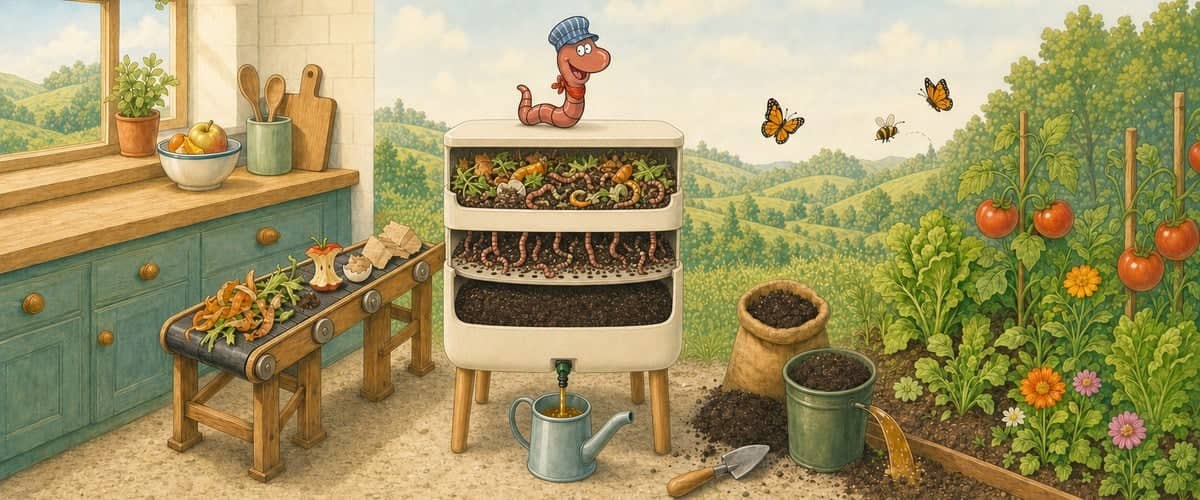
A wormery is a genuine mini recycling plant set up in your own home: it turns your kitchen waste into natural fertiliser, without any smell, thanks to the work of compost worms. Understanding how it works helps you use it better day to day and get the most out of it, whether you live in a flat or a house with a garden.
 Unlike a garden compost heap, which breaks down large volumes of waste « hot » through fermentation, a wormery works « cold ». Compost worms (most often the Eisenia species) digest the organic waste directly, with no rise in temperature. This is precisely what makes vermicomposting suitable for indoor use, whereas a conventional compost heap has to stay outdoors. We explain the differences between the two methods in our guide Wormery or conventional composter: which to choose?
Most household wormeries work on the same principle: several perforated trays stacked one on top of the other. You start with a single tray, in which you place your kitchen waste and the worms. Once this tray is almost full, you put a second tray on top, with a little fresh food inside. Thanks to the perforations linking the trays, the worms naturally move up into this new tray to follow the fresh food, gradually leaving the tray below, which has become mature vermicompost.
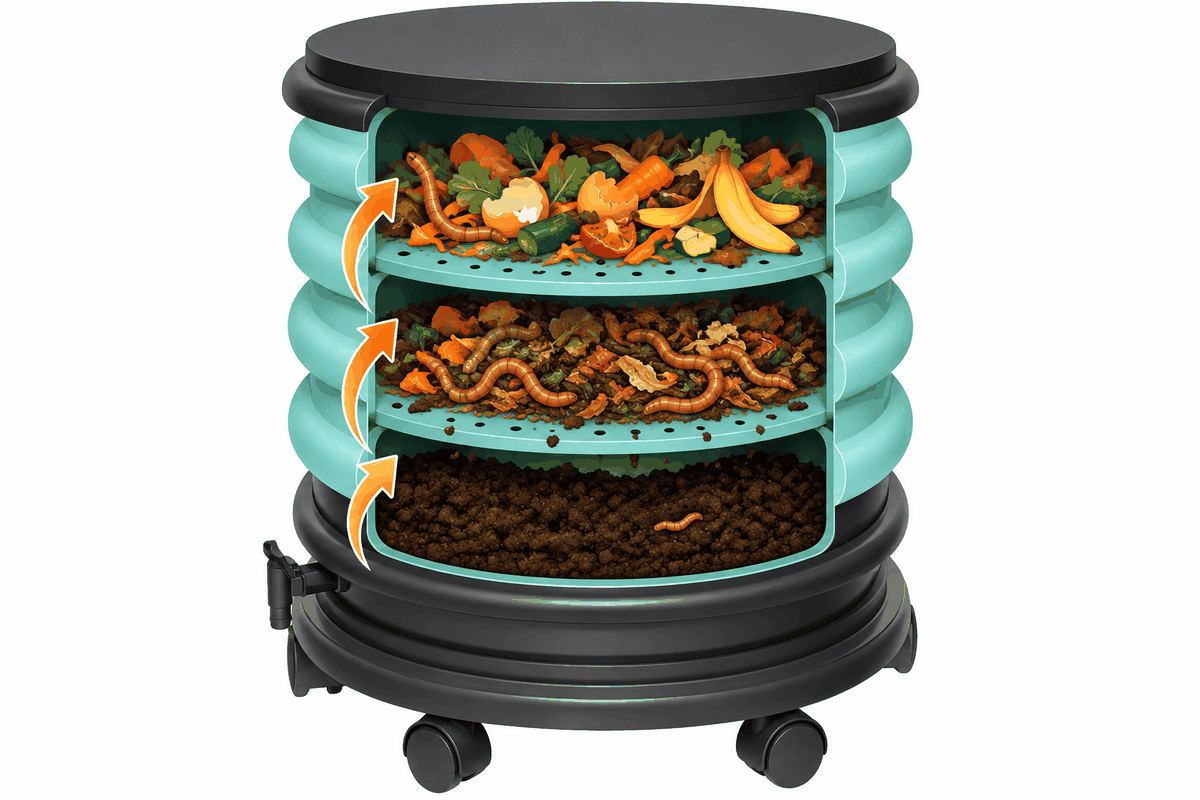
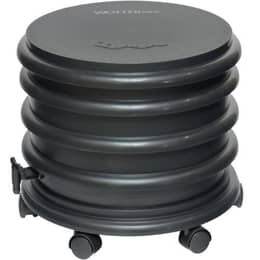
This process repeats itself: when the third tray fills up in turn, the first one — now full of fine, dark vermicompost — can be harvested and put back, empty, on top of the stack. It is a continuous cycle, which generally takes three to four months for the first trays. Some models work on a similar but slightly different principle, continuous flow, where the worms move vertically upwards through a single large bin rather than from one tray to another — we present these different set-ups in our guides The tray wormery and The continuous-flow wormery.
Key pointsThe secret of the wormery can be summed up in one sentence: the worms always follow the fresh food, leaving behind them compost that is already mature and ready to harvest.
A wormery produces two fertilisers in one. First, the vermicompost itself: a dark, fine material that is particularly rich in nutrients (nitrogen, phosphorus, potassium), to be used as potting compost or soil improver for your plants, vegetable patch or window boxes. Second, compost tea, also known as leachate or worm tea: a liquid that drains to the bottom of the bin as decomposition progresses, which you collect via a tap and dilute before using it as a liquid fertiliser. We explain how to harvest both in our guide Harvesting vermicompost and compost tea
A well-balanced wormery gives off no unpleasant smell, which is why it is just as much at home in a kitchen as in a classroom or an office. The key is the balance between moist, nitrogen-rich waste (peelings, coffee grounds) and dry, carbon-rich materials (cardboard, paper). This carbon/nitrogen ratio is what allows the worms and micro-organisms to break down the waste efficiently, without any putrefaction. We explain the right habits to adopt in our guide What do earthworms eat?
Beyond being an eco-friendly gesture, a wormery has a very real impact on the amount of waste thrown in the bin: depending on the household, it can reduce the quantity of organic waste sent for incineration or landfill by 30 to 50 %. It is also a wonderful educational tool, especially popular with children: watching the worms at work, understanding the cycle of matter and seeing for themselves where kitchen waste goes are all learning opportunities, at home as well as at school.
Key pointsReducing your waste, producing your own fertiliser and watching a small living ecosystem every day: the wormery brings practical ecology and education together in a single gesture.
Now you know how a wormery works. To put it into practice, head to our guide How to set up your wormery, which details all the practical steps for getting started. You will also find our full range of wormeries, tray or continuous-flow, suited to every situation.