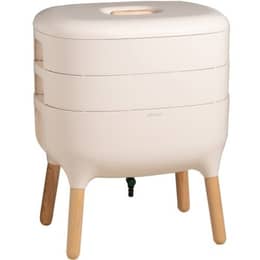
Wormery Urbalive | 2 trays
2 or 3 trays with wooden leg, 14 litres usable per tray
124,17 €
Fast and odourless, compost worms eat your waste and turn it into worm casting for your plants.

From 2 to 4 trays with optional planter.

Up to 18 growing zones with central wormery.

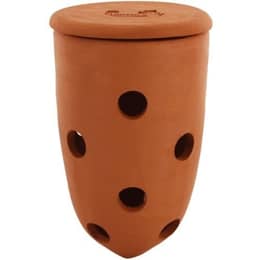
Terracotta with flower pot.

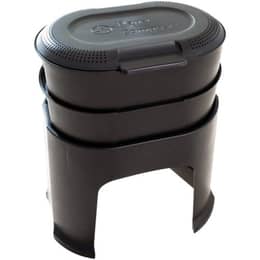
From 2 to 4 shelves with a low shelf.

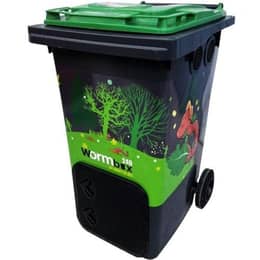
Urbalive, Worm Cafe, WORMcube, Tiny Worm, WORMwood, ...

Turn your planters into a Wormery: WORMacotta, In-Ground.
From the kitchen to the garden, your compost becomes simple, quick, and effective for everyone.
Live animals (worms and bait) and products to feed and care for pets and livestock.

Compost worms Eisenia for your wormery or worm compost bin.

Ultra-fresh worms: Bedding, Dendros and Canadians from 100 g to 1 kg.

Natural solutions dedicated to the well-being of horses, ponies, and donkeys.

Optimise the health and performance of your farm.

Mealworms, natural and nutritious supplements.
Enhance your home with our decorative items and care for your house in a natural and sustainable way.
Grow your garden in an eco-friendly and nature-friendly way, for healthy and sustainable plants.
EM-based products designed to enrich soils, protect plants, support animal health, and make everyday well-being and maintenance easier.

Contains a blend of 80 families of beneficial microorganisms.

Revitalise, purify and improve water quality in all your applications.

Stimulate soil microbial activity and plant growth.

Cleanse and maintain your environment naturally.

For the well-being and health of pets, livestock, and horses.

Enrich your body or dietary routines with essential enzymes.
Vermicomposting is a simple and enjoyable activity — even more so for children than for adults. Watching worms turn peelings into fertiliser has something fascinating about it at that age, and it is an ideal opportunity to raise their awareness of ecology through example rather than theory.
A wormery is a small living ecosystem, visible and easy to understand: children can see for themselves what happens to kitchen waste, why some foods break down faster than others, and how a worm colony grows over the months. It is a natural way to approach recycling, the cycle of organic matter and caring for a living creature, and far more meaningful than an abstract explanation.
 Many schools order our Willy soft toy to use as a genuine teaching tool: each day, the soft toy goes home with a different family, and the child looking after it has to come up with a simple action to put in place at home for the environment. The next day, they share it with the class, and another child takes Willy home to suggest their own idea in turn — a lovely little group ritual that runs all year round.
A few examples of everyday actions to suggest to children: turning off the tap while brushing your teeth, choosing a short shower over a bath, switching off the light when leaving a room, unplugging devices on standby, sorting your waste (recyclables, but also scraps for the wormery!), not throwing away unfinished food, walking or cycling to school when possible, repairing or giving away a toy rather than throwing it out, or picking up a bit of litter found outdoors during a walk.
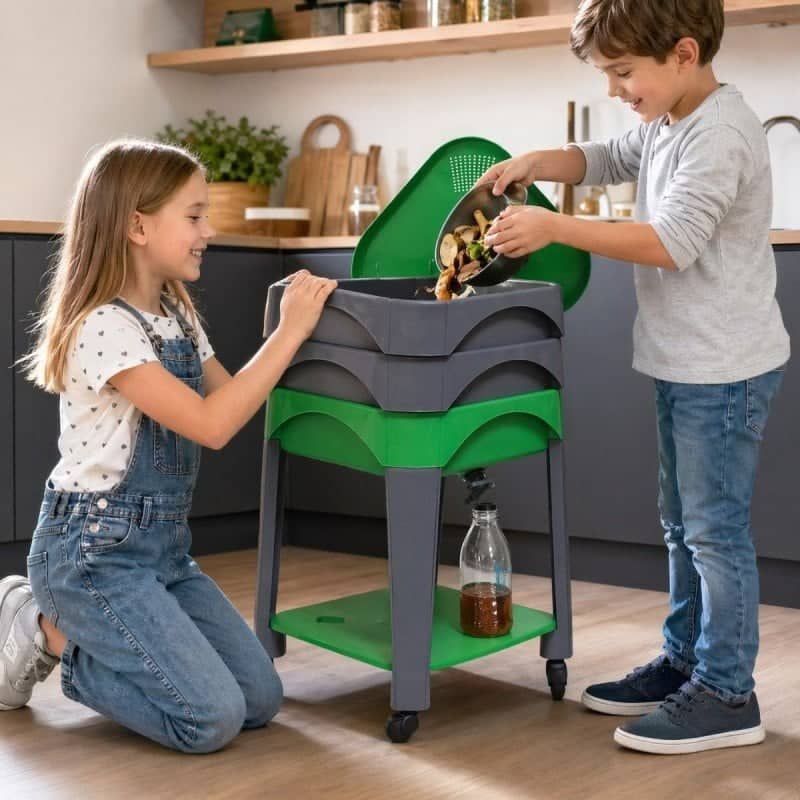 Children can easily help look after the wormery, always under your supervision: sorting the kitchen scraps to be recycled (our guide What earthworms eat gives the full list), placing them in the active tray, or simply watching the worms for a few minutes after each feed. Turning this into a small regular ritual — always on the same day, for example — also helps to avoid overfeeding the wormery out of enthusiasm.
Adapt their involvement to their age: the youngest can simply watch while you handle the worms; older children can gradually sort the waste themselves, weigh it or chop it into small pieces, or even keep a little logbook (amount of waste, date of the last harvest) to make it a real little project.
Willy's tipA few simple rules with younger children: we watch and handle gently, without squeezing the worms, we never put them in our mouths, and we wash our hands after every handling.
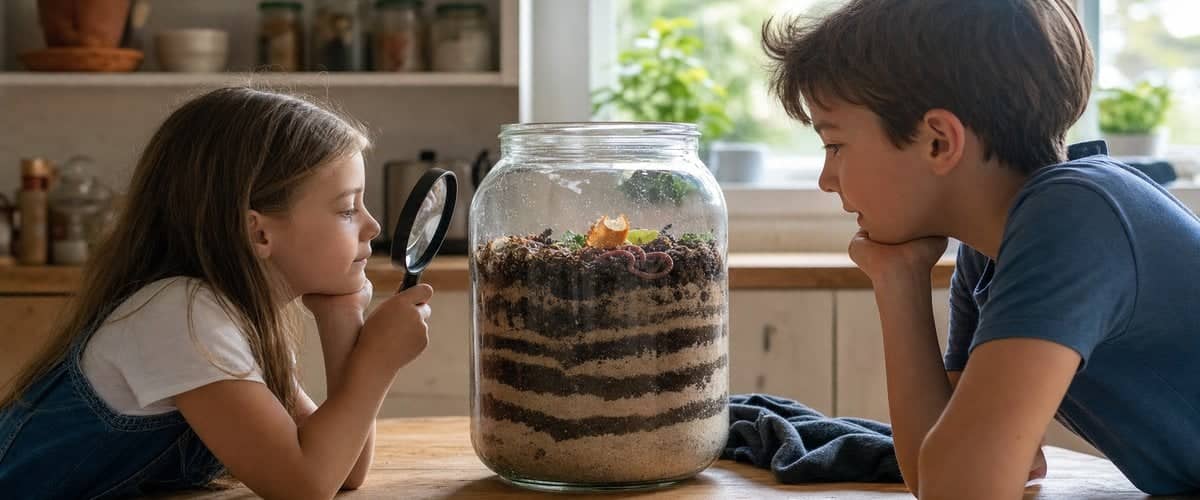
To take things further, you can show them in a very visual way how worms work the soil: fill a clear jar with alternating layers of light and dark soil (or sand), place a few worms on top with a little food, cover with a dark cloth to respect their sensitivity to light, and observe every day. Within a few days, the layers gradually mix together as the worms move around — a hands-on way to see the work they usually do right under our noses, invisible in a tray wormery.
A wormery is also home to other small creatures besides worms (springtails, mites, millipedes...) — completely harmless and rather fascinating to observe up close. This is often a chance to answer children's questions about what they see wriggling in the compost: our guide Life in a wormery introduces them one by one so you can answer with confidence.
Sorting waste together, watching the worms after each feed, or recreating their work in a simple jar: so many easy ways to introduce children to vermicomposting and make it a real family activity.