












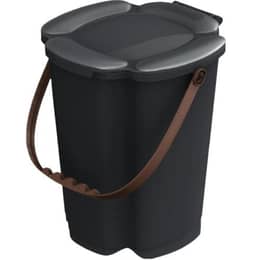
Kaylis 7L Compost Bin
Dual-textured finish, faux leather handle
£6.88 €8.25
Fast and odourless, compost worms eat your waste and turn it into worm casting for your plants.

From 2 to 4 trays, with an optional planter.

Up to 18 growing areas around a central wormery.

Terracotta with flower pot.

2 to 4 trays with a lower shelf.

Trays you add over time, for easy harvesting of vermicompost.

Turn your planters and flower beds into a wormery: WORMacotta, In-Ground.
 Practical guide

From the kitchen to the garden, your compost becomes simple, quick, and effective for everyone.
 Practical guide
 Practical guide
Live animals (worms and bait) and products to feed and care for pets and livestock.

Eisenia compost worms for your wormery or composter.

Ultra-fresh worms: compost worms, Dendros and Canadians from 100 g to 1 kg.

Natural solutions dedicated to the wellbeing of horses, ponies and donkeys.

Optimise the health and performance of your farm.

Mealworms, natural and nutritious supplements.
Enhance your home with our decorative items and care for your house in a natural and sustainable way.
Garden in an eco-friendly way that respects nature, for healthy and sustainable plants.
EM-based products designed to enrich soils, protect plants, support animal health, and make everyday well-being and maintenance easier.

Contains a blend of 80 families of beneficial microorganisms.

Revitalise, purify and improve water quality in all your applications.

Stimulate soil microbial activity and plant growth.

Cleanse and maintain your environment naturally.

For the wellbeing and health of pets, livestock and horses.

Enrich your body care or dietary routines with essential enzymes.
 Practical guidePractical guide

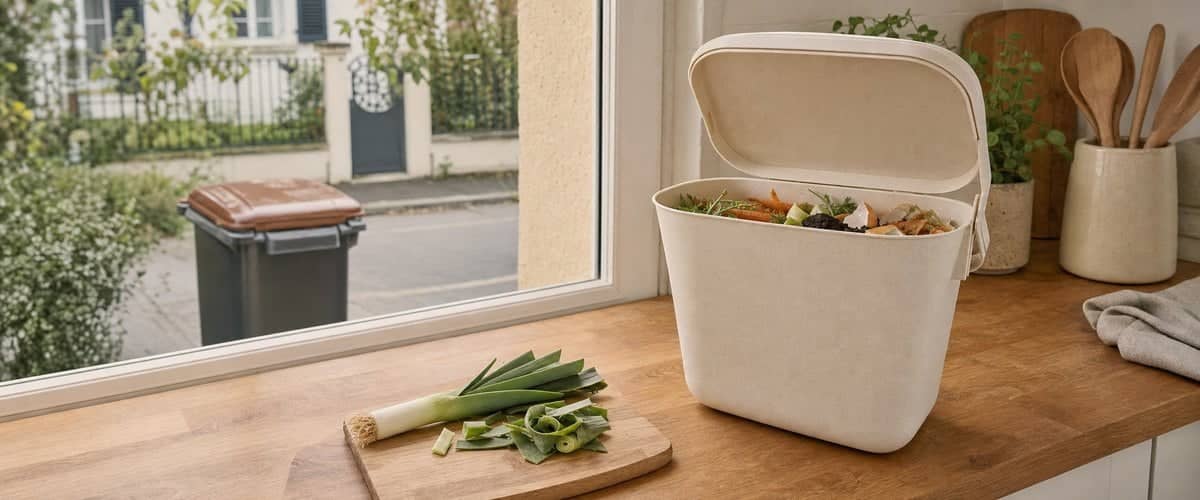
“Composting is now compulsory”, “you can be fined for throwing away your peelings”: since separate collection of food waste became the norm, you hear all sorts of contradictory claims. The reality is simpler, and rather reassuring.
In this guide, we look at what the rules actually say, who the obligation applies to, the solutions open to you and how to find out what your local council offers. We stick strictly to the facts.
At European level, the Waste Framework Directive, revised in 2018 (Directive 2018/851), requires biowaste to be either collected separately or recycled at source from the end of 2023. In Ireland, as an EU member state, this requirement applies and is implemented through national waste legislation. The United Kingdom is no longer in the EU and sets its own rules, which differ between England, Scotland, Wales and Northern Ireland. To find out exactly what applies where you live, check with your local council or waste service.
The idea is not entirely new. Large producers (restaurants, canteens, supermarkets, food industries…) have long been expected to deal with their food waste separately in many countries. The trend everywhere is towards extending separate collection to all households.
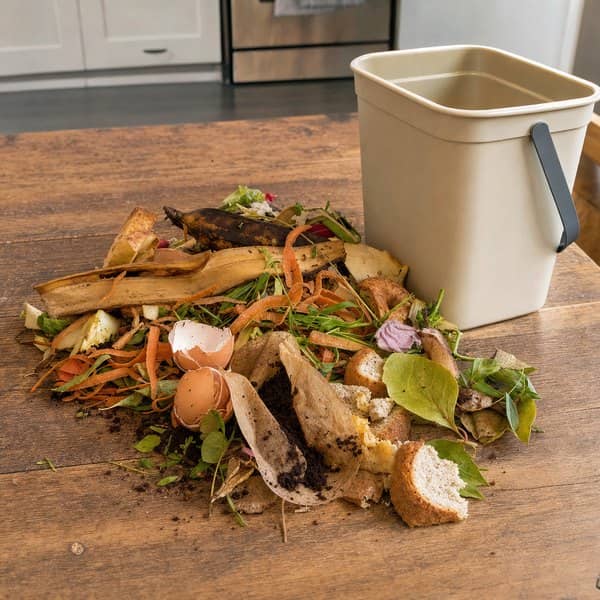
For a household, biowaste covers two main categories:
On the other hand, so-called “biodegradable” plastic bags and packaging are not biowaste for your compost bin: they have no place in a home compost heap. To find out exactly which waste a garden composter accepts, see our guide What to put in your compost bin.
This is the heart of the system. The aim is for every household to have a practical way of separating its food waste, and it is the authority responsible for waste (usually your local council) that organises it, by offering residents a solution for separating waste at source.
Handing out a few compost bins is not enough: a good separate collection scheme also involves supporting and informing residents.
Sorting concerns everyone who produces biowaste, so all of us: the right habit is to stop putting food scraps and garden waste in the general waste bin whenever a solution exists near you. Penalties and targets for households, if any, depend on the rules in your country and area.
One key point: your council sets out, in its collection rules, how your waste should be presented (which bin, which day, which waste). It is these local instructions that you need to follow. If in doubt, ask your council.
Key pointsIt is not the compost bin that is compulsory, it is sorting. Your council provides a solution, and you choose the one that suits you best: composting at home, using a shared composter or separate collection.
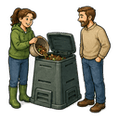
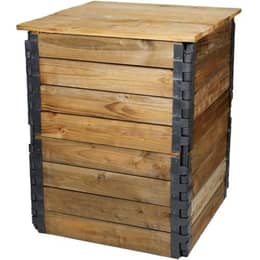
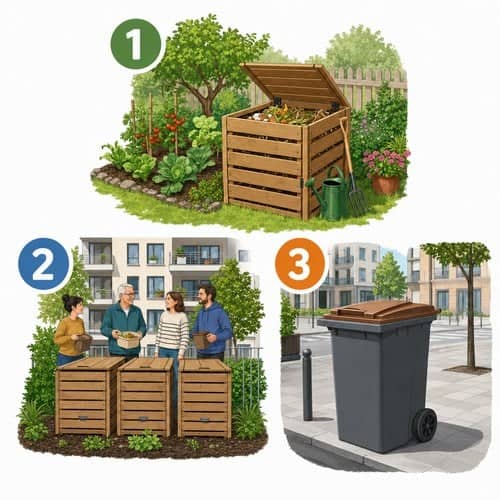 If you have a garden, this is the simplest and cheapest solution: your waste never leaves your property, and you get a free soil improver for your plants. A bin such as our Compostys wooden composter is enough for most households; our guide Starting your compost bin step by step walks you through the first additions. In a flat, a wormery takes over: we explain how it works in our guide How does a wormery work?, and bokashi lets you ferment your kitchen scraps before adding them to soil, compost or worms. The diagram sums up the three solutions: composting at home (1), the shared composter (2) and separate collection (3).
At the foot of a block of flats, in a public garden or at neighbourhood level, bins are made available to several households. One or more trained volunteers make sure they run smoothly, and everyone brings their kitchen waste.
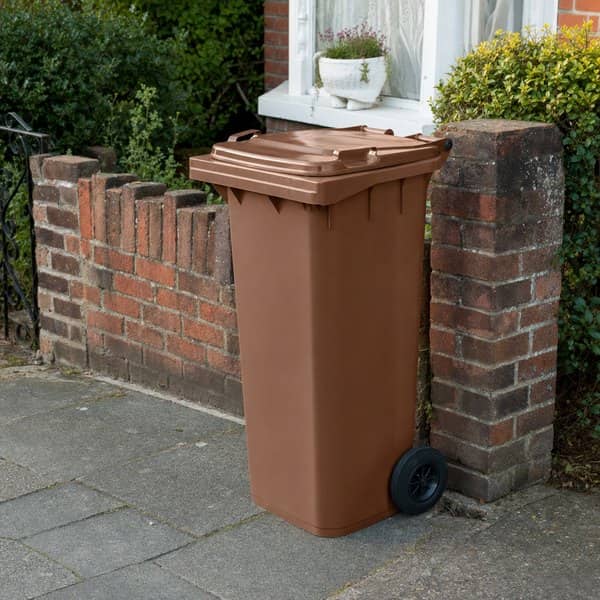
The council collects food waste separately: from your door, in a dedicated bin or sometimes a coloured bag, or via drop-off points installed in the street. The collected waste is then composted or processed by anaerobic digestion to produce biogas. For bulky garden waste, your local recycling centre is also an option.
Contact the authority responsible for waste collection in your area. This is usually your local council, but in some areas it may be a different body or a contracted waste service. To find it:
 look at the name printed on your bin or on your collection calendar;
 check your council's website or newsletter, under “waste and recycling” or “composting”;
 simply ask your council's customer services, who will point you in the right direction.
Many councils offer compost bins or wormeries at a reduced price, sometimes free of charge, often with a short training session. Find out before you buy: it is also a chance to learn the local rules and whether there is a shared composter near you.
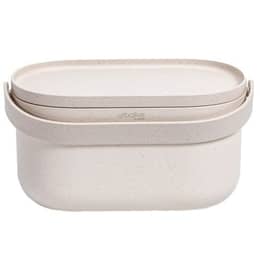
Willy's tipStart with a kitchen caddy with a lid, such as our Kaylis 7L compost bin: whatever solution your council offers, everything goes through it.
 A third of the bin. Biowaste makes up around a third of the contents of our general household waste bin.
 Around 70 kg per person per year of waste can be composted.
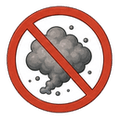 Less methane. Buried in landfill, biowaste breaks down without air and produces methane, a gas with a warming potential around 25 times greater than that of CO₂. Composted, it returns to the soil.
 Half the population in France equipped. In spring 2025, around 32 million people in France had access to a biowaste sorting solution, roughly half the population.
Burning leaves, grass cuttings or branches in your garden, whether in the open or in a garden incinerator, may be restricted or prohibited depending on where you live, and can cause a nuisance to neighbours; check your local rules. It is also highly polluting. Composting, shredding or mulching this waste is far more useful in the garden: the rules, exceptions and alternatives are covered in our guide to garden waste.
Separate handling of biowaste, meaning kitchen scraps and garden waste, has been required in the EU since the end of 2023, and the UK and Ireland each have their own rules. In practice, it is mainly councils that organise a solution for each household: home composting, a shared composter or separate collection. Rules for households vary from country to country; you simply need to follow your council's instructions, and you can ask it which solutions exist near you. Burning garden waste is best avoided, and is restricted or prohibited in many areas.
Scan the code or visit mouttafarm.co.uk/guide: all our practical guides, with links to the products mentioned.



 France
 Belgium
 Switzerland
 Germany
 Austria
 Italy
 Spain
 Holland
 Portugal
 Ireland
 Sweden
 Finland
 Denmark
 Greece
 Poland
 Rumania
 Czech Republic
 USA
